

Buying a Leather Couch
The design of your leather sofa can have a significant impact on the comfort and length of time it lasts. Furniture makers who use strong joints and dowels in place of staples are more likely to make pieces that last.
A genuine leather couch will be adorned with natural hide markings and should appear rough. These are indications that the leather is real.
Durability
Durability is a key factor to take into consideration when buying an all-new sofa. Leather furniture is more durable than sofas made of fabric, and can withstand regular use without breaking. It also withstands spills and stains, making it easy to clean.
The quality and type of leather used will determine the longevity of a leather sofa. The leather that is real full-grain will last longest. Currier's only sells top quality furniture made of top-quality leather that is designed to last decades provided it is properly cared for. Faux or bonded, which is made of leather scraps glued with bonding material doesn't last as long.
Other factors can impact the length of time a sofa will last depending on the frequency of use and whether it's placed in a shaded or sunlit area. The fire-proofness of the sofa's material is another factor to consider since synthetic materials tend to burn faster than leather.
Fabrics may require to be treated with specific fire retardants, whereas leather couches are naturally resistant to flames. The thickness of the sofa's cushions can also have an impact in how long it lasts. Cushions that are thick will last longer and offer more support. The cushions that are thinner can become lumpy over time.
The quality of the fabric and the amount of maintenance will determine how long a fabric couch lasts. Regular vacuuming can prevent dust allergens, such as mites, from entering the fibers. Quickly removing any spills or stains can prevent the stain from soaking into the fabric and leaving a lasting mark. Cleaning any scratches on the sofa as quickly when they occur will aid in preventing them from getting worse over time.
Comfort
The kind of padding and cushioning on a couch play an important role in how it feels. This includes the amount and types of cushions and the amount of filling is used. In general, a sofa that has a number of layers is more comfortable than a sofa with just a few layers, or none. The amount of coils in the springs of a sofa can influence the level of comfort you can sit on.
Test out different models and brands to make sure your leather sofa is comfortable. Place yourself on every couch and note of the level of comfort you feel in various positions. Also be aware of how the back and seat support your posture. In addition, pay attention to the airflow of each couch and how the leather or fabric feels when you touch it.
Look for leather sofas with high-quality padding. This will keep the chair looking good and will make you feel comfortable. Also, make sure that the leather is of a quality that is suitable for use as furniture (that means it's durable and can be cleaned easily).
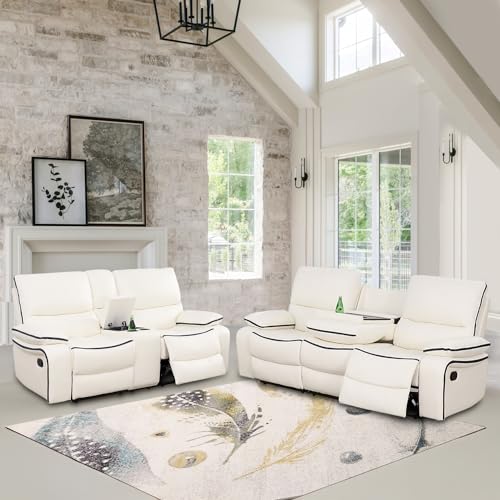
Lastly, remember to consider the price when selecting a leather sofa. Prices can vary greatly between retailers and brands It is therefore important to compare them before making an investment.
Another important thing to remember is that while a leather sofa may be more expensive than a comparable fabric option but it will last longer as well. Based on the quality of the leather and the frame, you might find that you don't need to replace your leather sofa for quite some time.
This stylish leather sectional is hand-crafted in North Carolina with full-grain top-grain cowhide. It features a timeless silhouette that is a perfect match with different styles of room decor, from modern to traditional. Pottery Barn offers this model with white glove delivery and assembly, meaning it can be delivered and assembled at your home.
Style
Leather is a timeless choice for furniture because it is warm and neutral, but still sophisticated enough to stand out in a space. It pairs well with wood tones and other earthy hues, so a brown leather sofa works beautifully in a country living room. It can be layered with woven baskets or other natural decor items. Leather has a neutral palette making it easy to accent it with vibrant colors, such as throw pillows or bold artwork.
Leather's inherent water resistance makes it easier to clean than other fabrics, so scratches and spills tend to go away more quickly. Additionally, it doesn't accumulate as much dust as fabric does, so you don't have to spend as much time cleaning or dusting.
The type of leather used on your couch can have an impact on its comfort, as well. Top grain leather, for instance, is premium and has an organic texture that typically improves with time. It's also more durable and stain resistant than other types of leather, so it will last longer. Wellington's offers a variety of top grain and pure aniline furniture.
Fabric sofas can be soft and comfortable too, but they won't last like leather. Whether you choose polyester, cotton or another type of fabric, make sure the sofa has quality construction and padding to prevent it from becoming hard or stiff in time. The amount of filling also impacts how comfortable the sofa will feel. A high-density foam core or a spring system with a hand-tied 8-way hand tied coil suspension are both great choices for leather sofas.
While a rich leather sofa in mahogany or chocolate will look classic in any space, light brown and taupe leather couches are versatile enough to be used in various styles of interior design. A lighter color can complement warm tones in cabinets and wood trim creating a harmonious space. A tanner shade works well with traditional furniture and fixtures. Cool accents such as blue pillows and throws complement brown leather couches as it has warm undertones. Try pairing your brown leather sofa with bright wall colors like the emerald.
Value
You are aware that a leather sofa is a long-term purchase. Leather furniture is more valuable since it's considered timeless and classic instead of trendy. You can count on your sofa to retain its value, and possibly increase the value of your home when you decide to sell it.
If you're looking to purchase a new sofa, think about the length of time you'd like it to last and the type of lifestyle it will accommodate. A sofa made of fabric will wear out more quickly and will require replacement sooner than a leather one. You will save money by buying a leather sofa, as you won't have to replace it as often.
The longevity of a sofa depends on the style. A solid frame, for example, is essential to prevent the back from becoming loose or saggy. Wellington's offers top-quality leather sofas that have a solid construction that last for many years. leather sofa with chaise use top-quality select hides from the best tanneries in the world. This ensures that the leather age well and has a natural texture that isn't sticky hot, stiff, or stiff. Avoid synthetics of low-quality materials such as polyurethane, which may crack and peel and cause cracks, since they don't age similarly.
It's also recommended to stay clear of frames made of plywood which are created by gluing layers of lumber together under pressure. Plywood may be less expensive than solid hardwood, but it's not as durable well. It is also prone to moisture and damage by pets. Instead, look for an unfinished frame made of solid hardwood or one made from plywood that's reinforced by screws and dowels rather than staples.
If you're in the market for a leather couch, make sure you research your options thoroughly. Avoid purchasing furniture from online retailers who do not have a physical location or a number on which you can talk to an individual. It's also a good idea to ask about the origin of the leather and where it was tanned. It's common for fraudulent vendors to claim that their furniture is made of genuine leather, when in fact it's not.